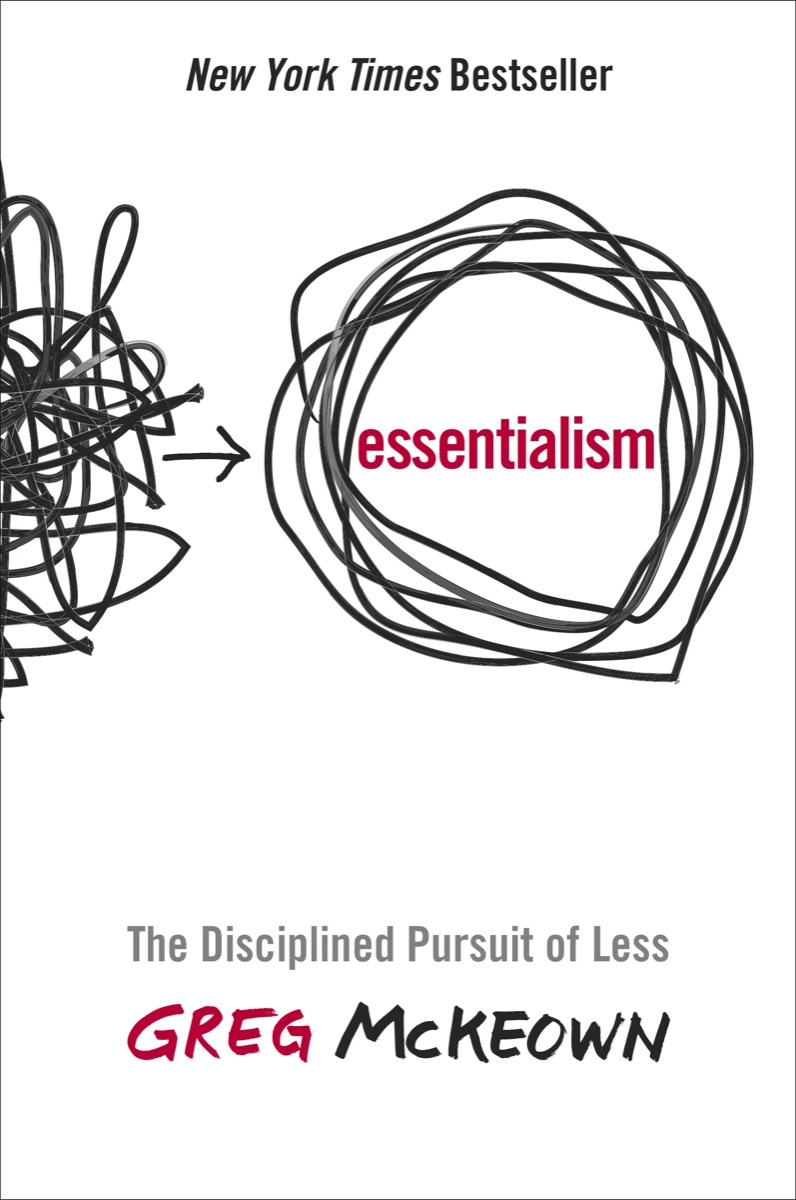
Essentialism: The Disciplined Pursuit of Less
Non-fiction
Thinking & Decisions
Leaders & Managers
Founders & Entrepreneurs
People Navigating Growth & Change
Why I recommend it
This is a useful reminder that our time and attention have limits. Being busy doesn’t tell us whether we’re spending them on what matters.
What stayed with me
Priorities need to show up in what we decline. Saying yes to everything leaves very little room to do anything well.
Who it’s useful for
Anyone whose commitments have grown faster than their capacity.
A tension or limitation
Not everyone has the same freedom to say no. Sometimes the workload or workplace needs to change.