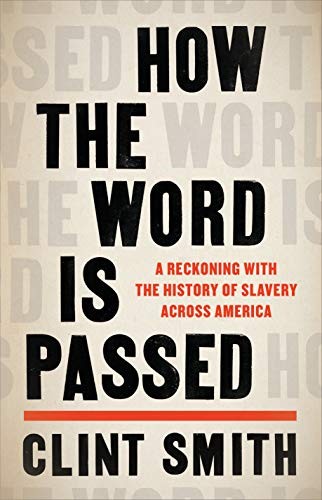
How the Word Is Passed: A Reckoning with the History of Slavery Across America
Why I recommend it
Smith visits places that tell the history of slavery, from plantations to museums and monuments. He listens closely to what’s being said and what’s being left out.
What stayed with me
The way a place tells its history shapes what visitors understand. Omissions matter as much as the stories on display.
Who it’s useful for
Readers of American history and anyone curious about how we remember the past.
A tension or limitation
These visits are a starting point. There’s more to learn about each place and the people connected to it.