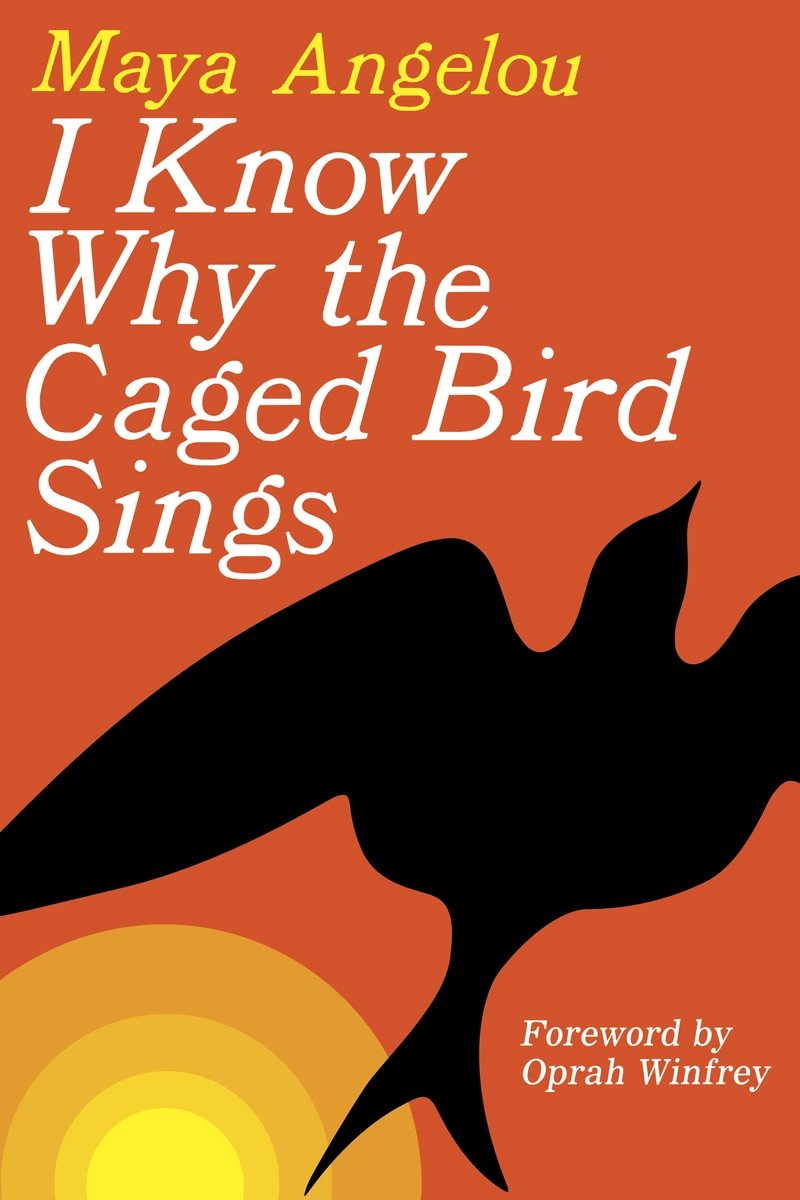
I Know Why the Caged Bird Sings
Non-fiction
Lives & Perspectives
People Navigating Growth & Change
Lovers of Stories & Human Experience
Why I recommend it
Angelou writes about the pain and pleasures of childhood, and the people and books that helped her find her voice. Her young self feels alive on the page.
What stayed with me
Reading and language can offer refuge and a way back toward other people. Finding a voice takes care and courage.
Who it’s useful for
Readers of memoir and coming-of-age stories.
A tension or limitation
The memoir includes racism and childhood sexual assault. Those experiences are difficult to read about.